







































Sealing expertise for industrial hydrogen applications

Hydrogen, a key driver of decarbonization
Hydrogen (H2) is the most abundant element in the universe. On earth, it is found primarily in bound form in fossil raw materials such as crude oil or natural gas, in many minerals, and in water (H2O). It has the highest energy content per kilogram of all molecules and is often referred to as the "Swiss Army Knife" of fuels due to its role as a fuel/energy storer for renewable electricity and its widespread use in various industrial applications.
To date, hydrogen has been used primarily in refining, chemical processes, and fertilizer production. It is also useful in energy-intensive applications, especially those that cannot be electrified, such as steel and cement production (otherwise known as hard-to-abate sectors), and in long-haul and heavy-duty transportation where batteries are less feasible due to weight and range limitations. Renewable energy can be used to produce hydrogen as a fuel but also as a storage medium when surplus renewables are available.
As a versatile energy carrier, hydrogen therefore plays an important role in the industry and energy transition and can make a significant contribution to reducing emissions in the major CO2 emitting sectors. Furthermore, the use ofhydrogen and its derivatives in the transition away from conventional fuels can help stimulate competitiveness and innovation among companies in the energy sector.
However, the production pathway of hydrogen dictates how environmentally friendly it is.
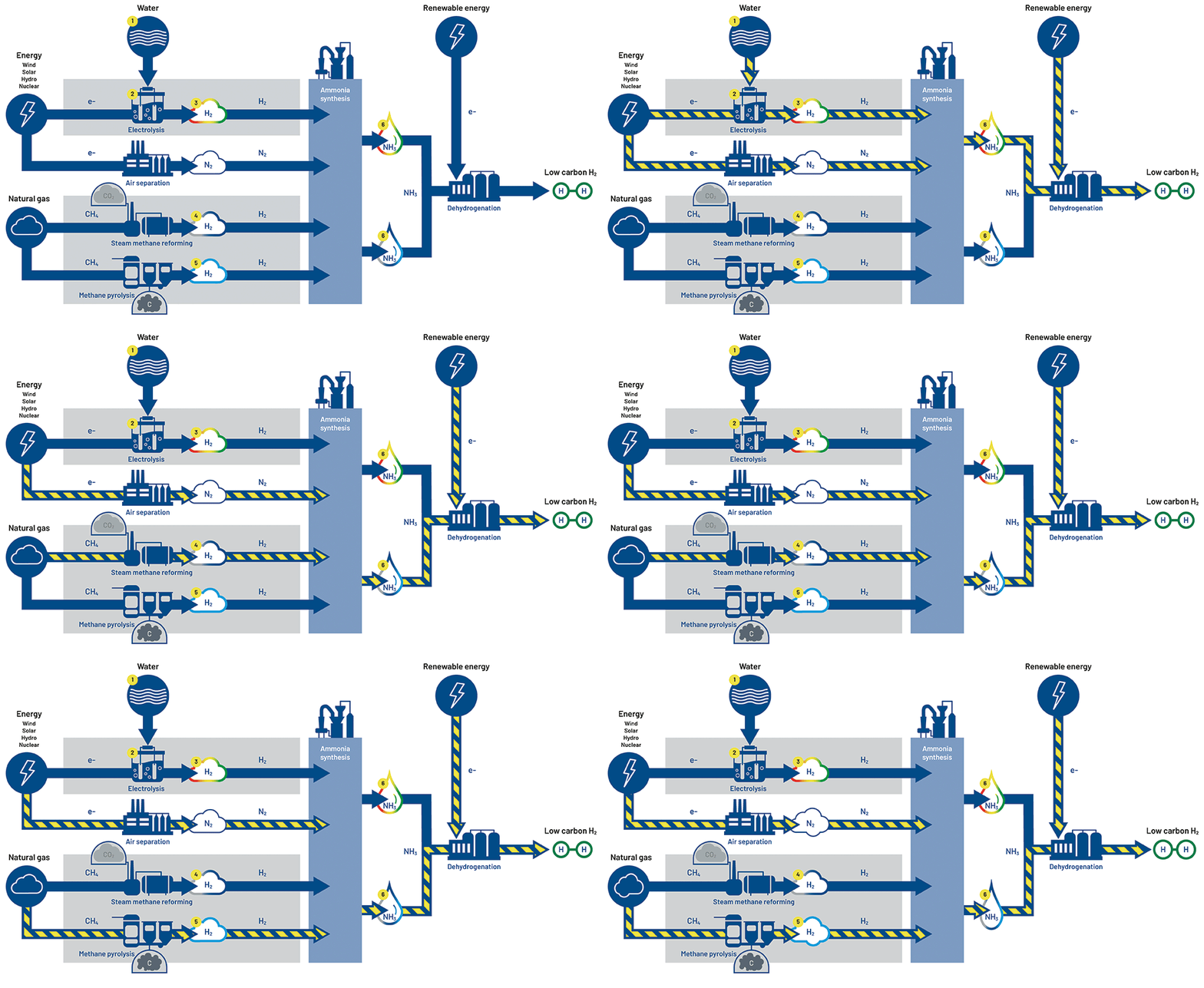
-
Desalination: Depending on the water source, desalination is necessary to remove salt and other contaminants.
One of the most advanced methods is reverse osmosis (RO). -
Electrolyzers split H2O molecules into hydrogen and oxygen using electric current. Three types of electrolyzers are currently mainly used: Alkaline electrolyzers, PEM electrolyzers (proton exchange membrane) and solid oxide electrolyzers (SOFC).
-
Green hydrogen is produced electrolytically using renewable energy.
Yellow hydrogen is produced using solar energy.
Pink hydrogen is produced using nuclear energy. -
Gray hydrogen is produced from methane (natural gas) using the steam methane reforming or autothermal reforming process. However, this process emits CO2
-
Blue hydrogen is produced in the same way as gray hydrogen, but the resulting CO2 is captured and stored using carbon capture and storage (CCS) technology
-
Turquoise hydrogen is also produced from methane (natural gas) by a process called methane pyrolysis in which methane is split into hydrogen and solid carbon, emitting no CO2.
-
Ammonia (NH3):
The production of ammonia is done by the well-established Haber-Bosch process. Ammonia can be used as a transport vector for hydrogen and has the advantage of being somewhat easier to handle than liquified hydrogen (LH2). It is currently transported at scale.
EagleBurgmann, the reliable sealing technology partner for your hydrogen project
EagleBurgmann engineers has been involved in over 200 hydrogen projects in which companies, from a wide range of industries have benefited from our extensive expertise and in-depth knowledge of sealing applications.
Our offering to end users, OEMs and EPC companies includes a broad portfolio of superior sealing technology for virtually every type of industrial application. In addition, we provide consulting, engineering, and valuable technical services wherever you operate in the world.
Our international team of qualified engineers support with execution of low-carbon hydrogen projects and offer project specific technical support. To learn why it is worth choosing a qualified sealing partner from the start of a project, click here.
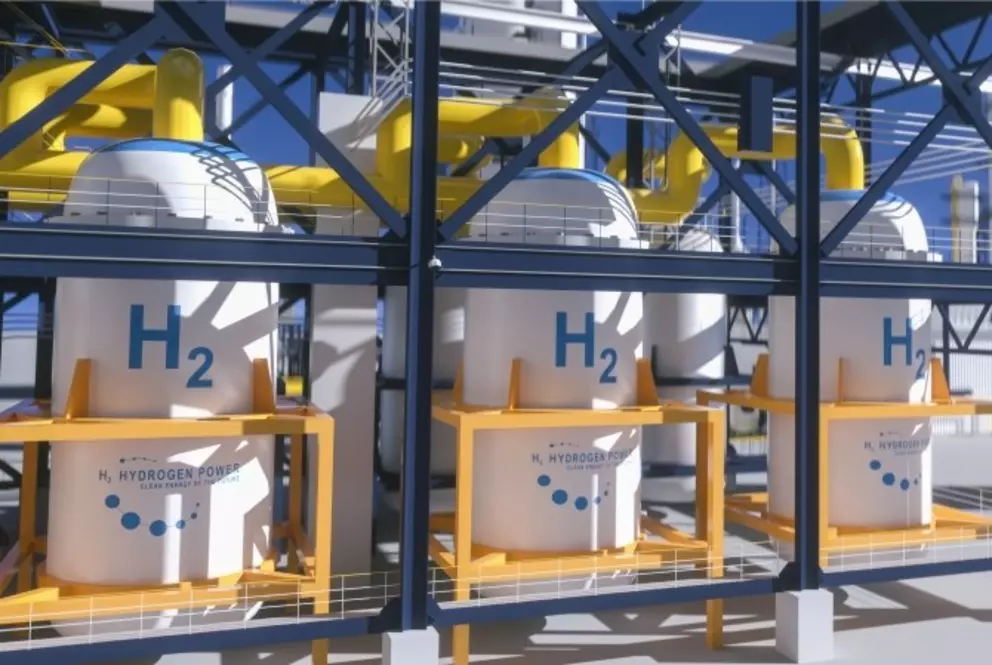
Hydrogen production
Hydrogen was first discovered in the 18th century and has been produced for more than 100 years. In the past, little attention has been paid to the production process and the associated CO2 emissions. However, the fight against anthropogenic climate change demands action. Climate-friendly methods are needed to produce hydrogen.
Various processes are currently being researched and worked on to meet the growing hydrogen demand with economical and climate-friendly solutions. Regardless of the production process, the resulting hydrogen is always the same.
The most common industrial-scale processes to produce hydrogen currently are steam methane reforming (SMR) and autothermal reforming (ATR), in which natural gas/methane is the input molecule. The resulting “gray hydrogen” is harmful to the climate because this process releases significant amounts of CO2.
Carbon capture and storage (CCS) technology is applied to gray hydrogen. It reduces unwanted CO2 emissions by more than 95 percent. The advantage of producing this so-called blue hydrogen is that existing plants and technologies can be used, making it a cost competitive way to produce low-carbon hydrogen now.
The input molecule here is water (H2O). Water is split into its molecular constituents, hydrogen (H2) and oxygen (O) in an electrolyzer using electricity from renewable energy sources. The resulting green hydrogen is climate-friendly because no CO2 is produced during this process and is why this process is preferred in most hydrogen projects.
Methane pyrolysis results in the production of so-called turquoise hydrogen. At temperatures above 1,000 °C, hydrogen and solid carbon are produced from methane. The resulting solid carbon can be used for agricultural and other industrial purposes.
Compared to water electrolysis, methane pyrolysis is more efficient due to the nature of molecular bonds in methane, which require less energy to split than those in water. However, this technology is still under development and is not yet used on a large scale.
EagleBurgmann sealing technology for any production process
EagleBurgmann has always been a reliable full-service partner for industry and the energy sector and is actively involved in the latest developments.
You can choose from a wide range of largely standardized seals to equip water pumps for cooling, circulation, or desalination. Of course, customized designs are also possible. For more information on our range of sealing solutions for water applications, click here.
When hydrogen is converted to ammonia (NH3) for transportation purposes, NH3 offloading pumps are used. We can provide the right sealing technology here too.
Hydrogen compression is another crucial part of the production value chain. Our dry gas seals are constantly being tested for the latest hydrogen applications and are available for hydrogen as well as NH3 compression. We have even completed explosion and flame transmission resistance testing on our proven CobaSeal for pipeline blending applications along with multiple feasibility studies for customers.

Hydrogen conversion
Hydrogen converted to ammonia (NH3) has been used for decades in a wide range of industrial processes. With global efforts to decarbonize the economy, ammonia is now becoming more relevant as a transport vector for hydrogen.
Although hydrogen has the highest energy content per kilogram of any molecule in the universe, it is also the smallest molecule in the universe. Its volumetric energy density under normal atmospheric conditions is extremely low (0.09 kg/m³). Therefore, to transport hydrogen cost-effectively, it must be liquefied to increase its energy density, a technology that is being developed. However, liquid hydrogen (LH2) has a boiling point of about -253 °C, thus the energy required to keep it that cold is quite substantial.
The boiling point of liquid ammonia is about -33°C. Liquid ammonia is already being shipped at scale worldwide, which is why projects are being developed globally to convert hydrogen to ammonia.
Other storage media, such as liquid organic hydrogen carriers (LOHC) or biomethanol, are also options for transporting hydrogen over long distances.
EagleBurgmann has been involved in numerous projects such as ammonia and methanol production. Our engineers are ready to assist you with your project and provide their application expertise to seal your machines and systems safely and reliably.
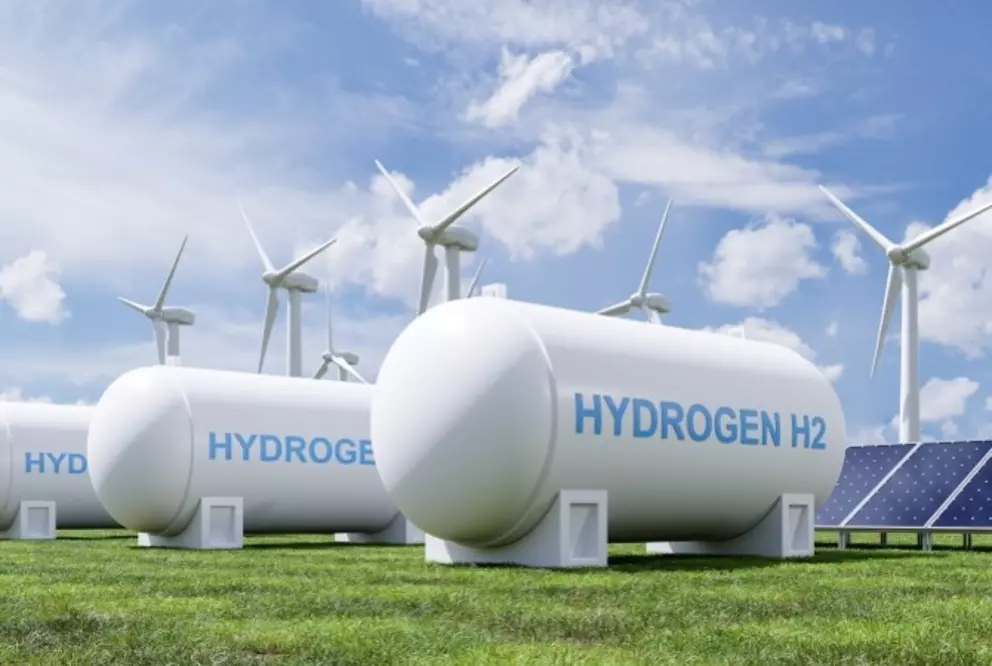
Hydrogen storage
In the future, hydrogen storage will play an important role in ensuring a reliable supply of electricity, heat, and fuels, regardless of the weather, time of day or season. Energy surplus can be stored long term by converting the electrons produced to hydrogen and storing it as a gas. The gas can either be used directly for industrial applications, such as direct reduction of iron ore (DRI) in steel production, or it can be used in fuel cells or turbines to generate electricity in periods when renewable energy is not available.
Various methods for hydrogen storage are available such as compressed gas storage, cryogenic liquid storage or solid storage. The possible storage locations are equally diverse, ranging from above-ground tanks or metal hydride storage facilities to underground caverns and pore storage facilities.
EagleBurgmann provides consulting and engineering services for the correct selection and application-specific design of sealing technology to ensure that the pumps and compressors used operate efficiently and safely.
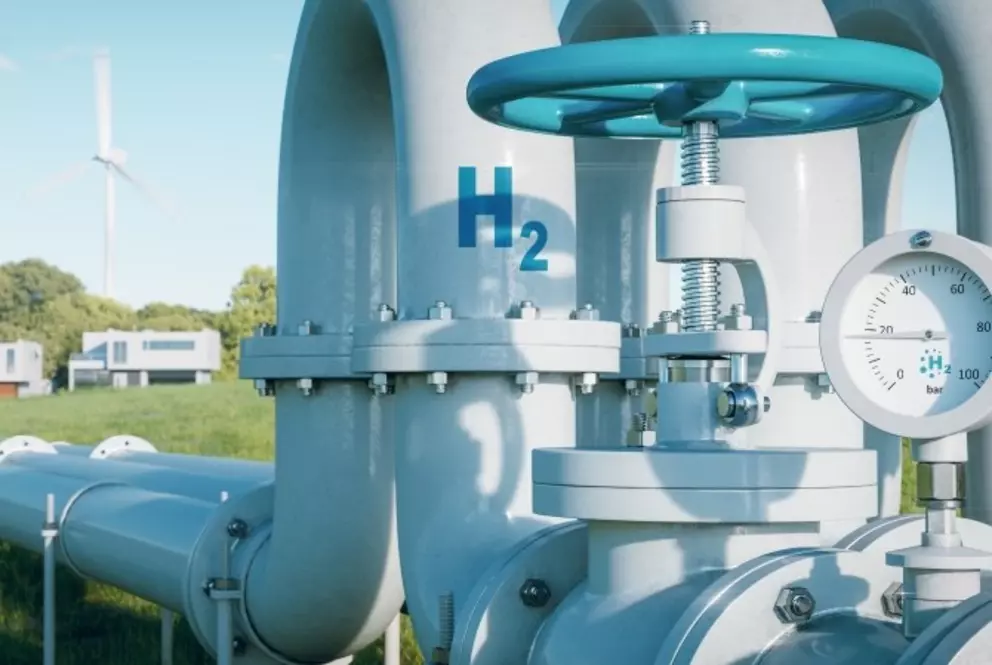
Hydrogen transportation
For the transport of hydrogen over long distances, pipelines are considered the most cost-effective option. The use of the existing gas network for blending purposes and the development of pure hydrogen pipelines are therefore the subject of intensive research e.g., simulation testing to determine suitable materials and the definition of standards.
Existing natural gas pipelines have the potential to transport a 20 percent hydrogen blend without major modifications to the pipeline itself. EagleBurgmann products, such as compressor seals and the associated bearing oil seal CobaSeal , have already undergone extensive safety tests, and have proven their suitability for such mixed gas applications.
Compressor OEMs and other equipment manufacturers still face several technical challenges to develop a safe and functional hydrogen infrastructure. Our experienced design and project engineers are ready to apply their technical expertise to sealing technology issues.
Our various sealing solutions are currently being tested for applications with pure hydrogen (>99.9 % by volume), including cryogenic hydrogen. Several feasibility studies have also already been carried out.
Working together for the safe use of hydrogen
EagleBurgmann is not only your supplier of excellent sealing technology, but also your service and development partner for hydrogen applications. Companies benefit from our proximity to customers, our high level of innovation, and our comprehensive technical expertise.
Contact our team to find out how we can assist you with your hydrogen project.
Would you like personal advice, do you have any questions or would you like to order directly? We look forward to supporting you.


