







































Sealing expertise for LNG applications

LNG, securing energy supplies for a low-carbon future
There is no question that the transition to cleaner energy sources must succeed if we are to counteract the greenhouse effect. However, until the transformation of our global energy systems is complete, natural gas is the most important fossil fuel due to its comparatively low greenhouse gas emissions. Especially in the form of LNG, natural gas plays a crucial role in securing energy supplies and balancing out fluctuations in production. It is an important process material for industry and an alternative fuel for shipping and heavy-duty vehicles.
LNG is natural gas that has been cooled to -162 °C [-260 °F] and liquefied. This process reduces its volume by a factor of 600 and increases it energy density accordingly. This means it can be stored efficiently and transported over long distances by ship, truck or rail to anywhere in the world. As a result, LNG opens up new sources of supply and helps diversify the energy mix. In turn, countries that export LNG benefit from potential economic growth and gain in economic importance.
LNG – a climate-friendly alternative to fossil fuels
The carbon footprint of LNG depends heavily on the type of production, technical conditions and transportation distances. In principle, the use of LNG is significantly cleaner and therefore less harmful to the climate than the use of lignite, hard coal and crude oil. With the use of new and more efficient technologies, further reductions in emissions are possible in the future. The overall goal is to make LNG projects as low emission as possible.
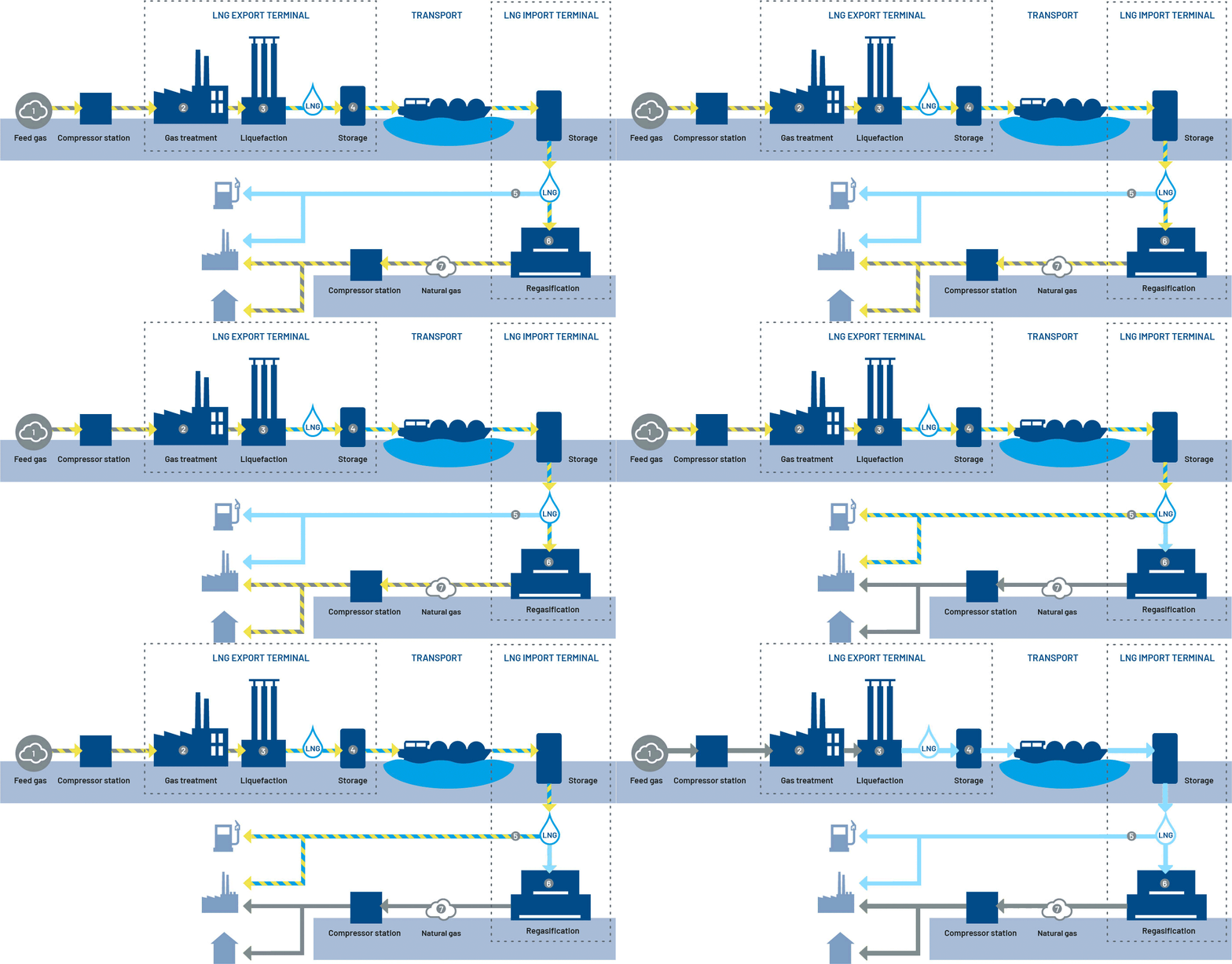
- Feed gas: Natural gas from underground wells, biomethane from biogas plants or green gas from power-to-gas plants (renewable energy).
- Gas treatment: cleaning and separation of liquids and unwanted components.
- Liqufaction of the gas by cooling to -162 °C [-260 °F].
- Storage of LNG in cryogenic tanks and loading onto LNG carriers for sea transport to destination.
- Storage in cryogenic tanks and/or transport to brakebulk terminals and loading onto tankers, bunkers or rail tank cars for delivery to bunkering and fueling stations (truck and ship fuel) and industry.
- Regasification: heating the LNG and converting it back to natural gas.
- Injection into the natural gas grid to provide electricity and heat to homes, power plants, commerce and industry.
EagleBurgmann:
Expert sealing support through the entire LNG value chain
Ever since natural gas (and thus LNG) heralded the third energy transition after coal and oil more than 50 years ago, EagleBurgmann has also been shaping the market for gas-lubricated mechanical seals. As one of the leading system suppliers of superior sealing technology, we now serve original equipment manufacturers, EPC companies and plant operators around the world.
In the production, transportation and use of LNG, it is particularly important to avoid incidents and environmental damage caused by gas spills.
Our proven solutions, unique products and comprehensive services help energy and industrial customers minimize operating costs, maximize uptime and ensure the safety of pumps, compressors and specialty equipment. We also provide consulting, engineering and valuable technical support.
An international team of experienced engineers with special project expertise is at your disposal for projects involving the rapid development and expansion of the global LNG infrastructure. Here you find out why it pays to involve EagleBurgmann as a qualified sealing partner right from the start.
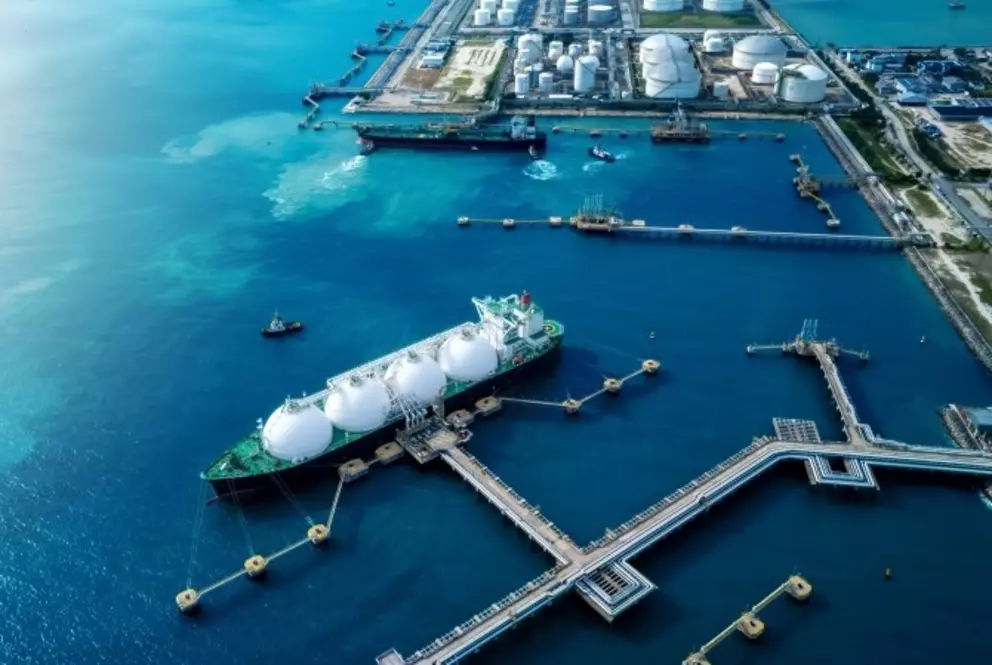
LNG production at the export terminal
Several steps are required to produce LNG from natural gas. But not all natural gas is the same. As a mixture of substances, it varies in composition and quality depending on its origin. The same applies to renewable substitutes such as biogas, synthetic gas or power-to-gas.
To ensure that LNG has consistent technical properties, all undesirable substances such as dirt particles, gas condensates, carbon, hydrogen sulfide and water are first removed from the natural gas in several stages.
This is followed by pre-cooling to about -35 °C [-31 °F] and fractionation to separate the propane, ethane and butane components for resale. Propane can also be used as a coolant during the pre-cooling process.
The result is natural gas with at least 90 % methane purity.
For the actual liquefaction process, the processed natural gas is passed through cryogenic heat exchangers with different refrigerants. It is cooled and compressed in several cycles. At a temperature of about -161 °C [-258 °F], the phase transition from the gaseous to the liquid state takes place. The density is now about 600 times higher, and the volume required is correspondingly lower.
Although gas liquefaction is an energy-intensive process, transporting LNG requires significantly less energy than transporting natural gas through pipelines. An advantage that pays off over distances of around 7,000 km.
LNG is stored as a cryogenic liquid in well-insulated, pressure-resistant tanks. As the tank heats up, a small amount of the cryogen evaporates and is released from the tank as boil-off gas (vapor loss). This provides evaporative cooling that can be used to cool the tank.
As an integral part of an LNG production facility, centrifugal compressors are of particular importance. This is especially true in the areas of gas processing and gas liquefaction. Compressor seals from EagleBurgmann make an important contribution to the safe, efficient and clean operation of the plant.
More and more LNG production plants are also integrating CCS (Carbon Capture and Storage) units into their projects to make them more sustainable. EagleBurgmann also offers proven sealing solutions for this technology, which we design perfectly to meet individual requirements. Learn more about our sealing expertise for CCUS applications here.
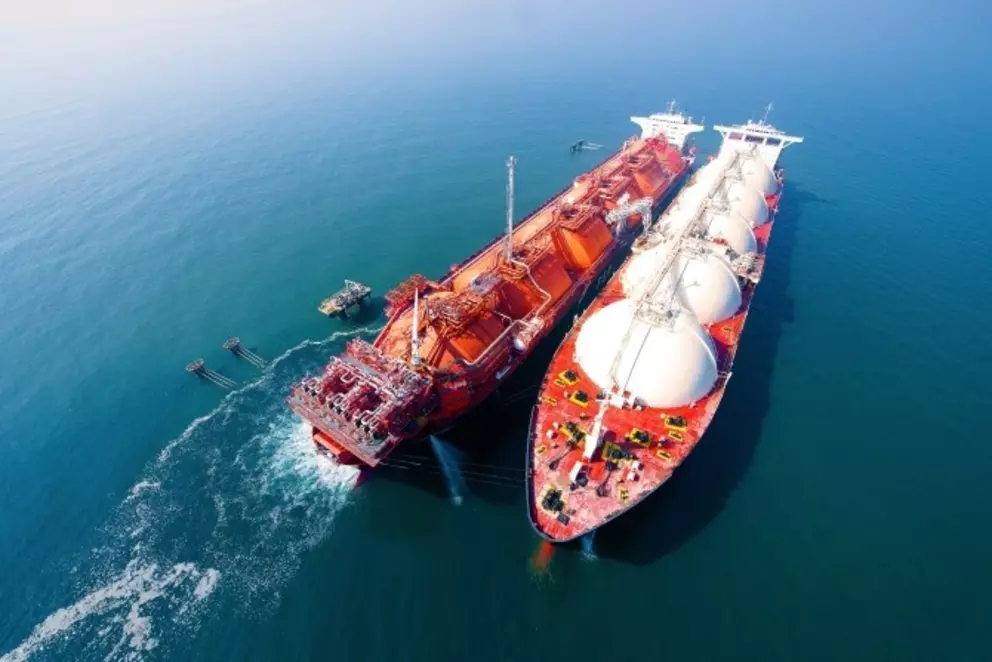
LNG transport by LNG carriers (LNGC)
Much of the international natural gas trade is now conducted in the form of liquefied natural gas (LNG). Specially designed LNG carriers are utilized for long-distance maritime transportation.
Prior to loading, the tanks are cooled down to prevent thermal shock and excessive boil-off-gas during loading. Loading is performed using cryogenic loading arms or special hoses. The resulting boil-off gas is collected and either returned to the liquefaction process (reliquefaction) or used as fuel in the gas turbines of the liquefaction plants. The boil-off gas produced during ship transport is used to fuel the propulsion engines.
The pumps and compressors used must be equipped with mechanical seals specially designed for the low temperatures. EagleBurgmann has extensive experience in this field. We have already equipped a large number of boil-off gas management systems with the appropriate sealing technology.
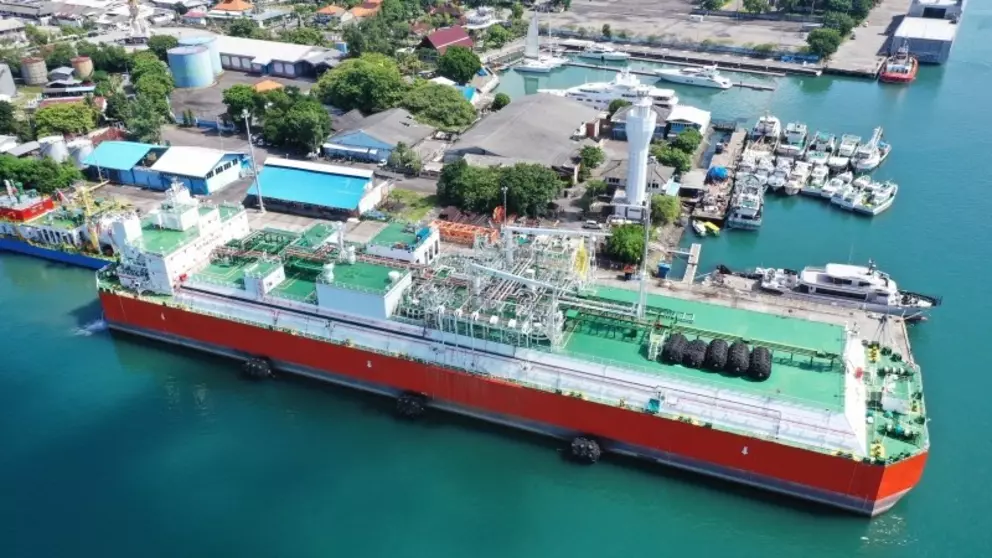
Regasification of LNG and provision at the import terminal
In order for liquefied natural gas to be made available as natural gas at its intended destination, it must be returned to its gaseous state. This is done in special regasification terminals. Heat is gradually introduced to the cryogenic LNG through heat exchangers and vaporizers until it reaches its boiling point and vaporizes. Compressors are employed to regulate the pressure until the gas has acquired the requisite properties for subsequent utilization.
The LNG regasification process generates refrigeration that can be utilized for other processes. For instance, conventional refrigeration systems for cold storage or shock freezing can be supplanted, thereby reducing operating costs.
Consequently, liquefied natural gas has been increasingly traded as a final product in recent years. For this purpose, the LNG is first broken down into smaller quantities at break-bulk terminals, where it is then made available to industry as a process material. Additionally, LNG is employed as a fuel in the transportation sector.
Offshore LNG terminals: floating units as a flexible alternative
More and more investors are turning to the flexible and cost-effective option of floating LNG units to build LNG infrastructure quickly and efficiently. They can be used both at the point of natural gas production and at the point of offloading.
Specially equipped vessels receive natural gas from ongoing production, liquefy and store the gas, and act as loading terminals (FPSOU, Floating Production Storage and Offloading Units). There are also Floating Storage Units (FSUs), which take on liquefied natural gas and store it offshore. Finally, Floating Storage and Regasification Units (FSRUs) are used to store the delivered LNG, regasify it if necessary, and make it available to consumers.
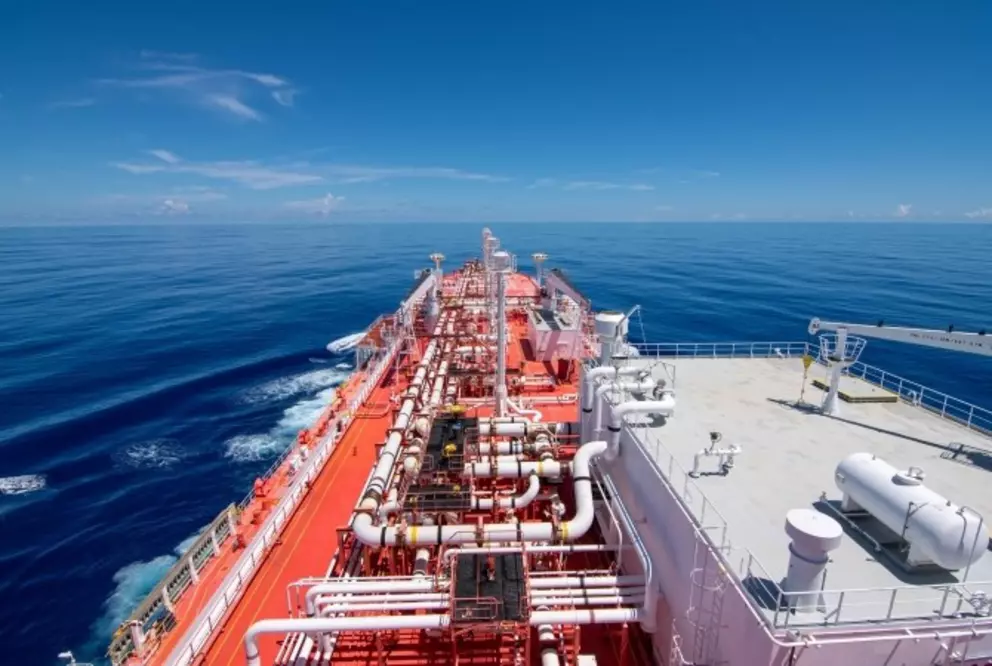
We are the trusted sealing technology partner for the industrial and gas sectors, including LNG, worldwide.
EagleBurgmann is convinced that the path to a low-carbon future must rest on several pillars, and that LNG plays a crucial role, both today and in the future. To ensure the success of the green transformation in the years to come, we are leveraging our expertise and high standards of service and excellence to support this important issue.
Our extensive experience, innovative strength, and broad portfolio of superior sealing technologies can benefit your LNG project as well.
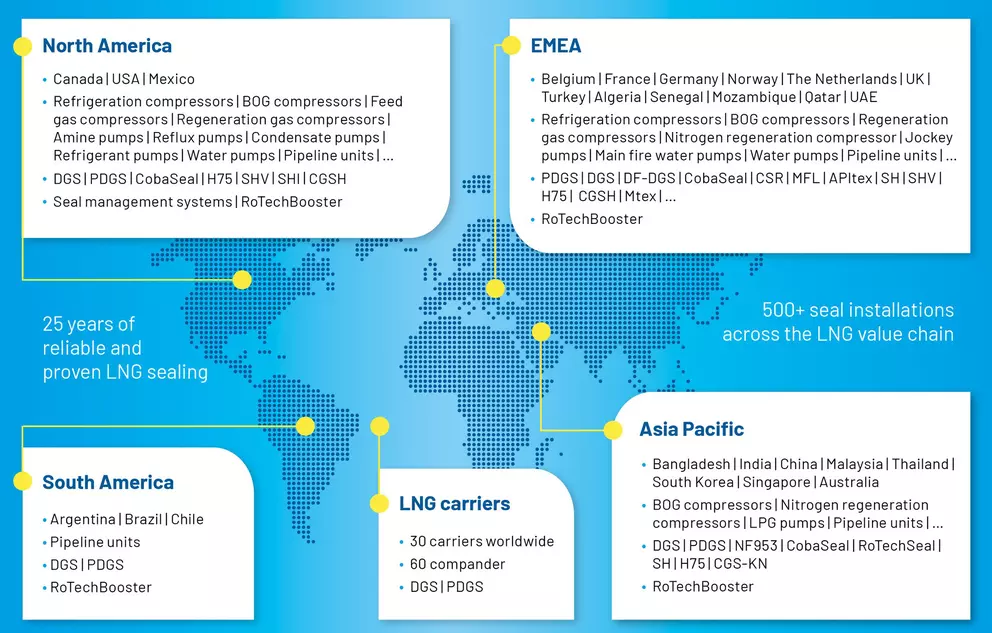
Contact our team to find out how our engineers can help. Together, we will find the optimal sealing solution for your specific LNG project. No matter the size.
Would you like personal advice, do you have any questions or would you like to order directly? We look forward to supporting you.


